What is a wall sign?
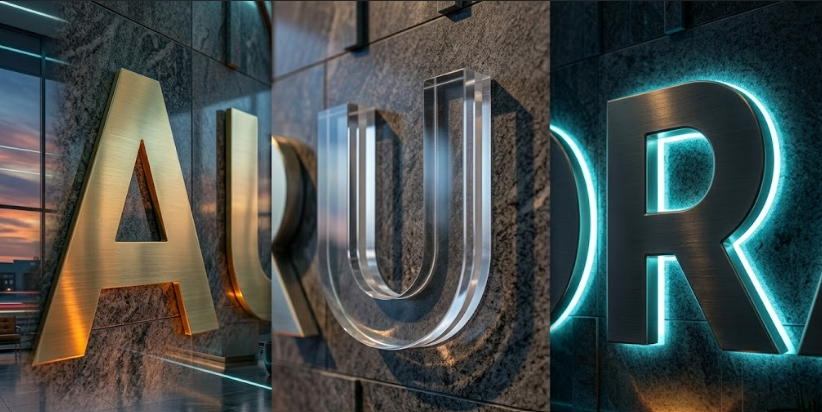
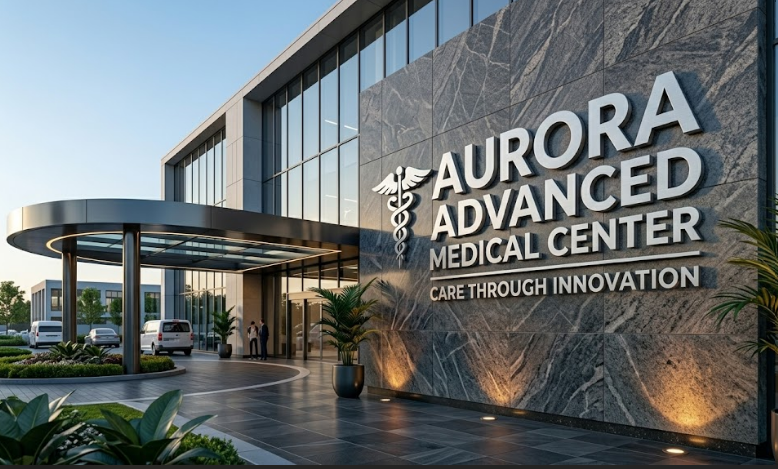
A wall sign is any sign installation mounted directly to a building wall, either interior or exterior. Wall signs include flat-cut metal letters, dimensional acrylic letters, backlit panels, halo-lit signs, and architectural plaques. Wall signs integrate with building architecture more closely than freestanding signage like
pylons or
monuments.
What is the difference between flat-cut and dimensional letters?
Flat-cut letters are precision-cut from flat material (typically aluminum, brass, or stainless steel) with minimal depth, mounted flush or with standoff hardware. Dimensional letters have routed depth and physical thickness (typically acrylic, foam, or fabricated metal). Dimensional letters cast shadows and have more visual presence; flat-cut letters offer a more refined, contemporary look.
What materials are wall signs made from?
Wall sign materials include aluminum (standard outdoor use), brass and bronze (premium architectural), stainless steel (modern, durable), acrylic (any color, any finish), foam and PVC (lightweight interior use), and custom composites. Material choice depends on the location (interior vs exterior), the desired aesthetic, the budget, and the architectural context.
How much do wall signs cost?
Wall sign costs depend on material, dimensions, mounting complexity, illumination (if any), and quantity. Simple aluminum dimensional letters cost significantly less than custom-fabricated halo-lit brass letters. Multi-letter signs benefit from quantity efficiency. Call (702) 738-2218 or submit the quote form for written pricing on a specific project.
Are wall signs ADA-compliant?
Wall signs intended for ADA-compliant interior wayfinding must include raised characters (1/32 inch minimum) and Grade 2 Braille translation. American LED Signage manufactures ADA-compliant interior wall signs to ANSI A117.1 and 2010 ADA Standards specifications. Exterior identification wall signs typically do not require ADA compliance.
Can wall signs be illuminated?
Yes. Wall signs can be backlit (LED panels with translucent letter cutouts), halo-lit (LEDs behind dimensional letters), front-lit (similar to
channel letters), or externally illuminated (gooseneck lights or wall washes). Illumination type depends on the desired aesthetic, the wall material, and the available electrical service.
How are wall signs mounted?
Wall signs mount via flush-mount adhesive (interior only), pin-mount with concealed studs drilled into the wall (most common), standoff hardware (creates shadow-line effect), or pad-mount with full backer panels. Mounting depends on the wall material (brick, stucco, drywall, EIFS, metal panel), the letter material, and the architectural specification.
How long do wall signs last?
Properly manufactured wall signs last 15 to 25+ years for exterior installations and decades for interior installations. Brass and bronze develop natural patina over time. Aluminum and stainless steel resist corrosion indefinitely. Acrylic letters can yellow slightly over many years of UV exposure. Halo-lit LED components carry multi-year warranty.
Do wall signs require permits?
Exterior wall signs typically require sign permits from the municipality. Interior wall signs generally do not require permits unless the building has historic preservation status or the signs include illumination requiring electrical permits. American LED Signage reviews permit requirements during the quote process and handles all required applications.
Can wall signs include a corporate logo?
Yes. Custom logo wall signs are routinely fabricated in any material (cut from sheet stock, formed dimensional, or assembled from multiple pieces). Logos can be flat-cut, dimensional, halo-lit, or backlit. Detailed multi-color logos may use combination construction with multiple materials laminated or assembled to reproduce the brand mark.